
14-Day Sri Lanka Tour Package: Sigiriya, Kandy, Nuwara Eliya, Ella Train, Yala Safari, Galle, Bentota & Colombo
Tour Highlights
Complete round-island Sri Lanka itinerary: culture, tea country, wildlife, beaches, and city life
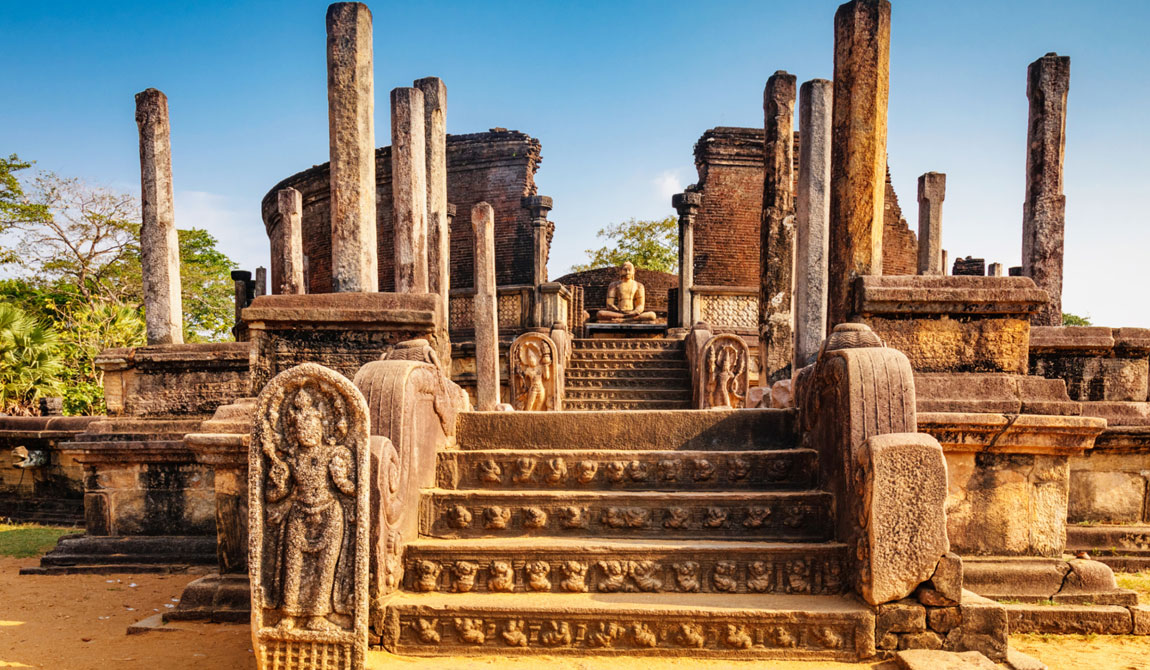
UNESCO highlights: Sigiriya, Dambulla, Polonnaruwa, Galle Fort, and Kandy’s Temple of the Tooth
Wildlife encounters: Minneriya/Kaudulla elephant safari and Yala (or Udawalawe) safari
Tea-country magic: Nuwara Eliya gardens, factory tasting, and the scenic Nanu Oya–Ella train
Soft adventure: Ambuluwawa Tower viewpoints and Kitulgala white‑water rafting (Grade 2–3+)
Coastal finale: Mirissa/Unawatuna beaches, whale watching in season (Dec–Mar), Bentota river safari
Private A/C vehicle with licensed English-speaking driver-guide; flexible 3–5 star stays and meal plans
Season-smart option: swap the south coast for Trincomalee/Passikudah in May–Sep on request
What to Expect
Balanced pace with most drives 2–5 hours, built-in photo/tea stops, and family-friendly timing
Assistance with reserved scenic-train seats, ethical safari teams, and priority entrance timing
Halal/vegetarian-friendly dining available; child seats and Arabic/English-speaking assistance on request
Typical drive times: CMB→Negombo 20–30 min; Negombo→Sigiriya 4–5h; Sigiriya→Kandy 2.5–3.5h; Kandy→Nawalapitiya 1.5–2h; Tea country→Kitulgala→Nuwara Eliya 4–5h; Nanu Oya→Ella train 2.5–3h; Ella→Yala 3–4h; Yala→Mirissa 2.5–3h; Galle→Bentota 1–1.5h; Bentota→Colombo 1.5–2h
Your Day-by-Day Itinerary14 days
Meet-and-greet at Bandaranaike International Airport (CMB). Short transfer to Negombo.
Relaxing beach/canal walk; optional seafood dinner. Overnight in Negombo.
Route Map
Practical Advice
Travel Tips for Sri Lanka
A few things worth knowing before you arrive — so you can spend less time worrying and more time exploring.
Best Time to Visit
November to April is ideal for the west and south coasts. May to September suits the east coast. The Cultural Triangle is great year-round.
Currency & Money
The Sri Lankan Rupee (LKR) is the local currency. Cards work in hotels and cities — carry cash for markets, temples, and rural areas.
Getting Around
Tuk-tuks for short hops, scenic trains through the hill country, private drivers for comfort. Always agree a fare before boarding a tuk-tuk.
Dress Code at Temples
Cover shoulders and knees at temples, dagobas, and religious sites. Keep a light scarf in your bag as a quick cover-up — it's essential.
Food & Drink
Rice and curry is the staple and it's delicious. Drink bottled or filtered water only. Fresh coconut water from street vendors is safe and refreshing.
Staying Connected
Local SIM cards (Dialog, Mobitel) are cheap and available at the airport. 4G coverage is strong in cities and tourist areas.
Got Questions?
Frequently Asked Questions
Everything you need to know before booking your Sri Lanka tour. Can't find your answer? Get in touch and we'll reply within a few hours.
Most nationalities require an Electronic Travel Authorisation (ETA) before arrival. It can be obtained online via the official ETA portal and costs USD 20–35 depending on nationality. Citizens of some South Asian countries are exempt. Always check the latest requirements before travelling.
Yes — Sri Lanka is widely considered one of the safer destinations in South Asia for tourists. Petty theft can occur in busy areas, as in any country. Use a reputable tour operator, keep copies of your documents, and follow local advice on swimming (rip currents can be strong on unpatrolled beaches).
For scenic journeys, the train from Kandy to Ella is one of the world's great rail routes. For flexibility, a private vehicle with a driver is the most comfortable option. Tuk-tuks are perfect for short local trips. Intercity buses are very cheap but can be crowded.
A week gives you a taste — enough for the Cultural Triangle, hill country, and one coastal area. Two weeks lets you explore at a relaxed pace. Three weeks or more allows you to cover the whole island including the east coast and the Deep South.
The Sri Lankan Rupee (LKR) is the official currency. USD and EUR are widely accepted at hotels and tourist shops. Credit cards work in cities and resorts, but always carry LKR cash for markets, tuk-tuks, temple entry fees, and rural areas.
Sri Lankan food is typically spicy, though restaurants in tourist areas are happy to reduce the heat on request. Rice and curry, kottu roti, and hoppers are must-tries. Vegetarians are well-catered for, and fresh tropical fruit is outstanding.
Light, breathable clothing for the heat; at least one warm layer for the hill country (it can be surprisingly cool at altitude). A light rain jacket, reef-safe sunscreen, insect repellent, comfortable walking shoes, and a modesty scarf for temple visits. A universal power adapter (Type D/G sockets) is useful.
Absolutely. Every package we offer is fully customisable — change the dates, swap destinations, add extra nights, or combine elements from different tours. Contact us and our local experts will build a bespoke itinerary around your interests, budget, and travel style.